
Take Five: Small Movement Breaks Can Make a Big Difference

Between attending classes, studying, answering emails and working at a computer, many people spend hours sitting without realizing it, which can contribute to stiffness, poor circulation, fatigue and decreased focus. By the end of the day, finding the energy to exercise can feel like another item on an already overwhelming to-do list.
Improving your health does not necessarily require an exercise routine at the gym. According to Rhode Island College professors Kristen Pepin and Stacie Zamperini, both of whom teach health and physical education, even a few minutes of movement throughout the day can make a difference.
The Problem with Sitting All Day
The World Health Organization associates higher levels of sedentary behavior in adults with increased risks of cardiovascular disease, type 2 diabetes and other serious health outcomes.
“Prolonged sitting can contribute to back and neck discomfort, tight hips, poor circulation and reduced mobility,” says Zamperini. “Over time, these can also affect overall health, creating a chain reaction that can contribute to discomfort and affect other activities throughout the day.”
Pepin says younger people might not feel the effects of prolonged sitting now, but they should still develop healthy movement habits. “The better they take care of themselves now, the more they are setting themselves up for success when they are sitting at a desk job.”
Take Five and Get Moving
Pepin recommends taking a movement break every 30 to 60 minutes, which includes getting up for a short walk, climbing a flight of stairs, or stretching.
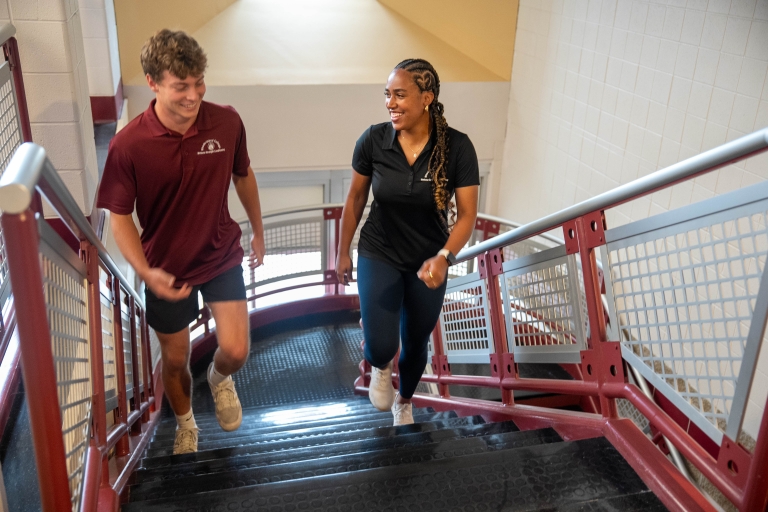
“Getting up and moving will invigorate your body. It’ll bring oxygen to your brain. It’ll help you focus more,” she says. “Just a little bit of light activity can help reduce your stress and help you feel a little bit better.”
Research supports the value of these brief breaks. A 2023 Columbia University study involving 11 adults found that walking for five minutes after every half-hour of sitting lowers blood pressure and post-meal blood sugar.
“I would recommend trying to move for five minutes multiple times to try to get at least 20 minutes throughout the day,” says Pepin.
For those who cannot leave their desks frequently, Zamperini suggests simple stretches and breathing exercises to relieve neck and shoulder tension.
Make Movement Part of Your Routine
Finding time to exercise can be difficult, especially during demanding academic and work schedules. Rather than making more time, Pepin recommends linking movement to established routines.
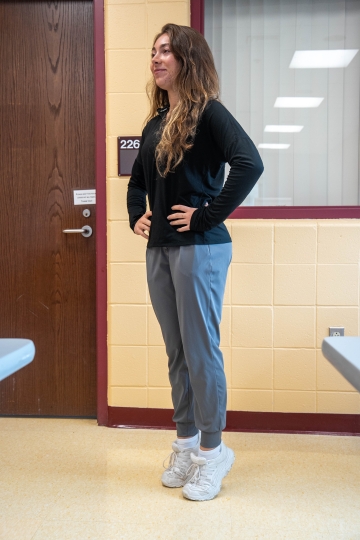
“I tell my student to try to link it to something. When I’m brushing my teeth, I do toe raises. It could also be two minutes of squats,” she says. “Something I do every time I get in the car is a shoulder roll, which engages my core.”
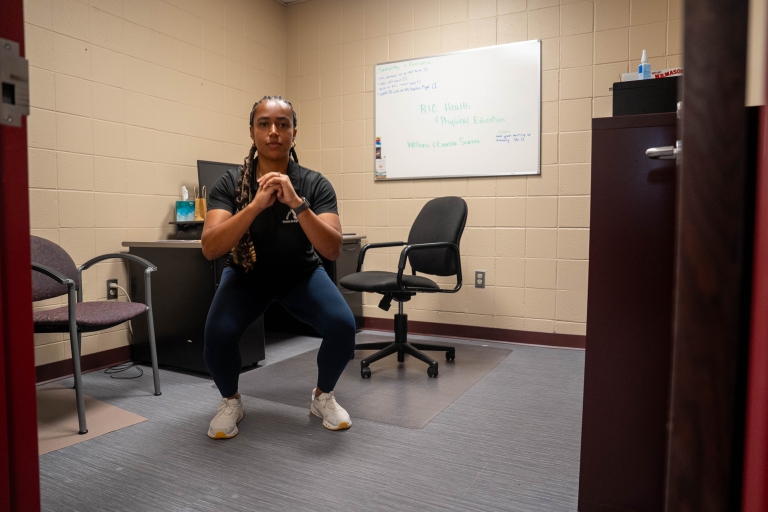
Other possibilities include doing a few squats before checking email, taking the stairs instead of the elevator or walking with a colleague during lunch. “A three-minute break every 30 minutes is actually boosting your productivity,” says Pepin.
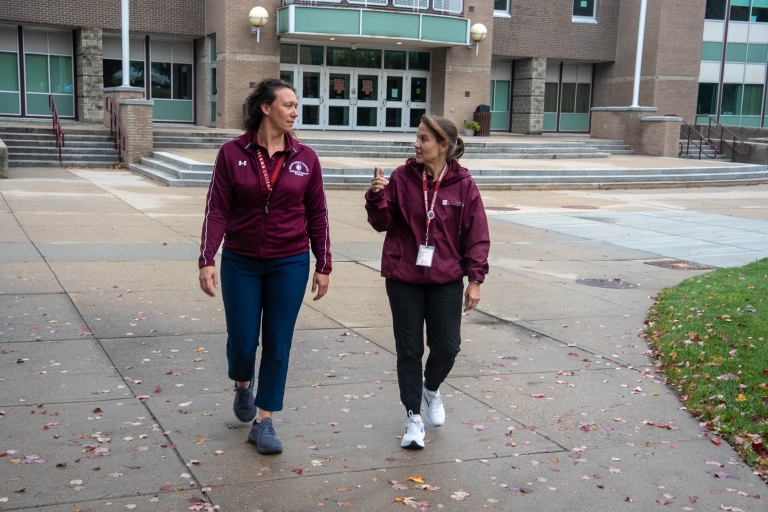
Zamperini recommends doing things you regularly do, but doing them differently, like walking while scrolling on your phone or changing your parking spot. “I can’t believe the amount of people that unnecessarily take the elevator,” she says. “Take the stairs, park further away.”
They agree that for people who find exercise intimidating, the important thing is to choose something manageable and gradually increase their activity. “Small goals take you far,” Zamperini notes.
Don’t Forget Your Mental Health
Movement is not only about physical fitness. It can also help improve mood and reduce symptoms of stress, anxiety and depression.
Zamperini encourages incorporating mindful breathing and gentle yoga movements into the workday. Taking a moment to relax your shoulders, sit upright and breathe slowly can offer a welcome break during stressful periods.
Both Pepin and Zamperini emphasize the importance of choosing enjoyable activities and making room for rest, friends and family.
Staying active during the day doesn’t require an hour at the gym. According to both professors, small movement breaks can improve comfort, boost energy and support overall wellbeing. The goal is to develop sustainable habits rather than pursue perfection.
As Pepin puts it, “The first step is the hardest. The more you do it, the easier it becomes.”
Based on Pepin and Zamperini’s recommendations, these quick routines can improve your workday.
These are gentle movements, not a substitute for appropriate medical care. Stop any movement that causes pain or dizziness.