
Q&A: How to Have a Successful First Year at RIC
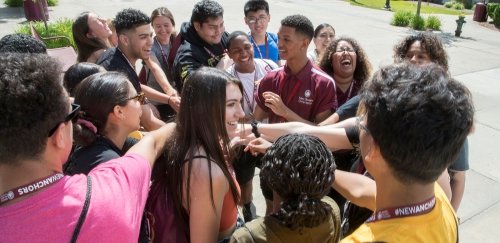
The first weeks on a college campus are especially crucial for new students. Adjusting to a new environment, meeting new people and understanding the responsibilities can feel overwhelming.

In this Q&A, Professor of English Zubeda Jalalzai, who frequently teaches 100-level courses and works closely with first-year students, highlights how Rhode Island College’s first-year courses and campus resources support new students, equipping them to meet academic expectations and navigate campus life.
What is one thing every first-year student should know?
I wish every student understood how important the course syllabus is. Students should download it, print it and check it every week. All major dates, assignments and policies are in there, and those policies are serious. The syllabus gives students a heads up about what’s coming, so transferring deadlines into their calendars is essential. Many high school students are not used to working with a syllabus, so they may not realize how crucial it is. In college, it’s one of the most important tools they have.
What common mistakes do you see first-year students making?
Not paying attention to the syllabus leads to missed deadlines, misunderstood expectations and feeling overwhelmed later. Not staying in communication with their professors is another common mistake. Some students disappear when they’re struggling instead of reaching out. Professors can often help, but only if students ask. Dropping a class isn’t the end of the world, but many issues could be solved if students sought help early.
What’s one myth about college professors you wish you could debunk?
Many students think professors don’t want to be bothered with questions because they feel they are wasting a professor’s time or that they’ll look unwise for asking. But that is far from the truth. Professors want students to ask questions, use office hours and engage in discussions. We genuinely want to know what students are thinking and how they’re experiencing the material. Questions help us teach better.
What habits or strategies are most effective for helping students succeed in college?
Time management is the number one challenge students face. They must plan their week, schedule study time and understand that college requires about twice as much work outside of class as inside.
Being organized is another important habit. Students don’t need to be perfectly neat, but they do need a system, something to stay on track.
Communication is extremely important. As I mentioned earlier, stay in touch with professors. Seek help from campus resources, mentors and fellow students.
Build community. When students build community, they’re more likely to stay in school and be successful. Modern classrooms have less small talk than before, so students must be intentional about forming study groups and friendships. Classes like RIC 100 or other introductory courses are helpful for beginning to build relationships. Also, getting involved on campus, joining clubs and organizations helps students build meet peers and feel connected.
And finally, it is important to pay attention to mental health. Stress, imposter syndrome and feeling overwhelmed are common. Students can access counseling services on campus, healthy outlets, sports and hobbies to let go of stress.
What is the RIC 100 course and how does it help first-year students?
RIC 100 is an introductory first-year class taken during the first semester, while students are actively transitioning into college life and building relationships with peers, instructors and peer mentors.
At Rhode Island College, we offer several first-year seminars that are designed for any student with fewer than 24 credits who is not a transfer student. These courses expose students to some of the expectations we have for them on the college level. It helps students explore personal and career goals, as well as reflect on who they are and what they want. We also teach them about campus resources that they are going to need to be successful.
Many first-year students feel they must produce perfect work. What advice would you offer them?
Learning is a process, not a one-and-done product. It’s normal to be at different learning stages and to make mistakes along the way. The key is to allow yourself to be open to feedback. Feedback isn’t a judgment; it’s part of the learning process.
I don’t see a lot of true perfectionism in students, but I do see many who just want to finish something and move on. College isn’t about handing in something and checking a box. It’s about engaging with the process: getting feedback, revising and growing. The more you embrace that process, the more you’ll actually learn and the less pressure you’ll feel to be perfect.
What do professors value most in students?
Two qualities: curiosity and resilience. Professors love students who ask questions, challenge ideas, stay engaged and keep trying even when things are hard. That level of engagement really goes a long way and is deeply appreciated.
Which academic or support resources at Rhode Island College do students tend to underuse, and what’s the best way for them to get the most out of these services?
The library and research librarians are essential for doing true, college-level research. The Writing Center and Student Success Services help students upgrade their writing, research and study skills.
For those students struggling with money or food, there is Learning for Life and its Food Pantry. There is also the RIC FAST Fund, a small emergency fund for issues like car trouble that could threaten a student’s ability to finish a semester. For mental health struggles, there is the Counseling Center.
As a student, you should feel comfortable letting professors know when you’re struggling. Faculty can help connect you to the right resources. They truly value their students and want to support them. Being open to that support is one of the most powerful steps you can take.