
Prepare an Emergency Kit
Emergencies can happen at any time, and being prepared can make all the difference. Whether you live in a residence hall, apartment, or at home, keeping a basic emergency kit ensures you have essential supplies available if you need to shelter in place, evacuate, or experience a temporary disruption to normal services.
What to Include
Your emergency kit should include items such as water, non-perishable food, a flashlight, extra batteries, a phone charger or power bank, medications, a first aid kit, important documents, and other personal essentials. Review your kit each semester and replace expired items as needed. Taking a few minutes to prepare today can help you stay safe and comfortable until help arrives or normal operations resume.
Your emergency kit should be tailored to your individual needs, but should include:
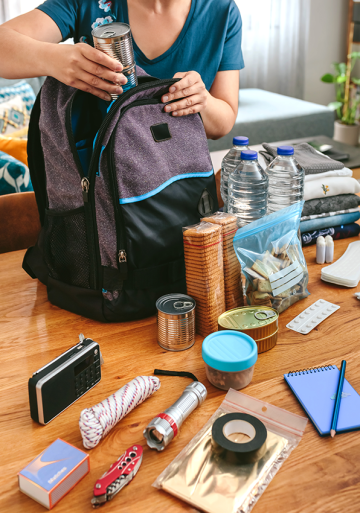
- water (one gallon per person, per day, for at least three days, when practical)
- non-perishable snacks or ready-to-eat food
- flashlight and extra batteries
- cell phone charger and portable power bank
- first aid kit
- prescription medications and essential medical supplies
- personal hygiene items
- extra clothing, blanket, or warm layers
- copies of important documents and emergency contact information
- cash in small denominations
- whistle or other signaling device
- multi-tool or basic utility tool (where permitted)
- comfort items, especially for children or pets, if applicable

"Review your kit at least once each semester, replace expired items, and update it as your needs change. Being prepared today helps you stay safe, self-sufficient, and ready to respond when every minute counts."
-Janna Lawrence, Director of Emergency Management

Contact Us
Emergency Management Office
We prepare the Rhode Island College community for emergencies through strategic planning, documentation, communication, education, training, and exercises.
- jlawrence@ric.edu
- Forman Center, 736 Cole Rd, Providence, RI 02908